






How to Plan Balanced Meals Without Stress
Planning balanced meals does not have to mean creating a perfect menu, counting every ingredient, or spending hours in the kitchen. A simple system can help you choose satisfying foods, use what you already have, and make everyday meals easier.
The goal is not to follow strict rules. It is to build meals with a useful mix of food groups while leaving room for your preferences, schedule, and budget. With a few flexible habits, meal planning can become a helpful routine instead of another task on your to-do list.
Start with a simple meal formula
A balanced meal often includes several basic components:
– A source of protein
– Vegetables or fruit
– A carbohydrate or grain
– A source of healthy fat
– Water or another drink you enjoy
This formula is flexible. For example, a meal could include roasted chicken, brown rice, broccoli, and avocado. Another could be beans, whole-grain tortillas, salsa, lettuce, and cheese. Breakfast might include yogurt, berries, oats, and nuts.
You do not need to include every component at every meal. Think of the formula as a guide that helps you notice variety over the course of a day.
Choose foods you already enjoy
Meal planning works best when it fits your real life. Begin with foods and recipes your household already likes. It is easier to repeat a familiar meal than to build a plan around ingredients you may not use.
Make a list of dependable options in each category:
– Protein: eggs, beans, lentils, chicken, fish, tofu, yogurt, or cottage cheese
– Vegetables: carrots, spinach, peppers, broccoli, green beans, or frozen mixed vegetables
– Fruits: apples, bananas, oranges, berries, grapes, or canned fruit
– Grains and carbohydrates: oats, rice, potatoes, pasta, bread, quinoa, or corn
– Flavor builders: herbs, spices, garlic, lemon, salsa, sauces, or grated cheese
Having a list makes it easier to create meals without starting from scratch.
Plan one week at a time
Planning too far ahead can feel overwhelming. For many people, a one-week plan offers enough structure without becoming rigid.
Start by checking your calendar. Look for busy evenings, days when you will eat away from home, and times when you may have more energy to cook. Then assign simple meal ideas to each day.
For example:
– Monday: Sheet-pan chicken and vegetables
– Tuesday: Bean and cheese tacos with fruit
– Wednesday: Leftover chicken bowls
– Thursday: Vegetable pasta with a side salad
– Friday: Homemade pizzas with vegetables
This is a plan, not a contract. If your schedule changes, move meals to another day or choose an easier option.
Use a mix of easy and more involved meals
A common planning mistake is scheduling several complicated recipes in a row. Instead, combine different levels of effort:
– One or two meals that require more preparation
– Two quick meals using basic ingredients
– One leftover night
– One flexible meal, such as sandwiches, soup, or a grain bowl
– One open night for eating out or using whatever is available
This approach protects your time and reduces pressure. A balanced meal can be simple. Scrambled eggs with toast and fruit may be just as practical as a recipe with a long ingredient list.
Build meals around a few ingredients
Choosing ingredients that work in several meals can reduce shopping and food waste. For example, cooked rice can become a side dish, a burrito bowl, or fried rice. Roasted vegetables can be served with chicken, added to pasta, or folded into an omelet.
Try selecting:
– Two protein options
– Two or three vegetables
– Two fruits
– One or two grains or other carbohydrates
– A few sauces or seasonings
You can then combine these foods in different ways throughout the week.
Prepare ingredients instead of full meals
Full meal preparation is useful for some people, but it is not necessary. Preparing a few ingredients may be faster and more flexible.
You could:
– Wash and cut vegetables
– Cook a pot of rice, pasta, or quinoa
– Hard-boil eggs
– Roast vegetables
– Prepare a simple sauce
– Portion snacks into containers
– Cook extra protein for later meals
Store prepared ingredients safely and use them within a suitable time. If you are not sure when you will use them, freezing some portions can help preserve them.
Keep a list of backup meals
Even the best plan cannot predict every busy day. A few reliable backup meals can prevent last-minute stress.
Good options include:
– Whole-grain toast with eggs and fruit
– A bean and cheese quesadilla with sliced vegetables
– Pasta with frozen vegetables and a simple sauce
– A rice bowl with canned beans, salsa, and avocado
– A baked potato topped with beans, cheese, or leftover vegetables
– Soup with a sandwich or side of fruit
Keep some long-lasting ingredients on hand, such as canned beans, oats, pasta, rice, frozen vegetables, eggs, and canned fish. These foods can become a meal with very little preparation.
Make your shopping list practical
A good shopping list follows your plan and matches how much you are likely to eat. Before going to the store, check your refrigerator, freezer, and pantry. This helps prevent duplicate purchases and reminds you to use ingredients that are already available.
Organize the list by section:
– Produce
– Protein and dairy
– Grains and bakery items
– Canned and packaged foods
– Frozen foods
– Seasonings and extras
Avoid filling your cart with ingredients for too many new recipes at once. One or two new ideas per week is often enough. Familiar foods can fill the rest of the plan.
Add variety without creating extra work
Variety does not require a completely different recipe every day. Small changes can make familiar meals feel new.
Try switching:
– Rice for potatoes, pasta, or tortillas
– Chicken for beans, eggs, tofu, or fish
– Roasted vegetables for raw vegetables
– Salsa for hummus, pesto, or yogurt-based sauce
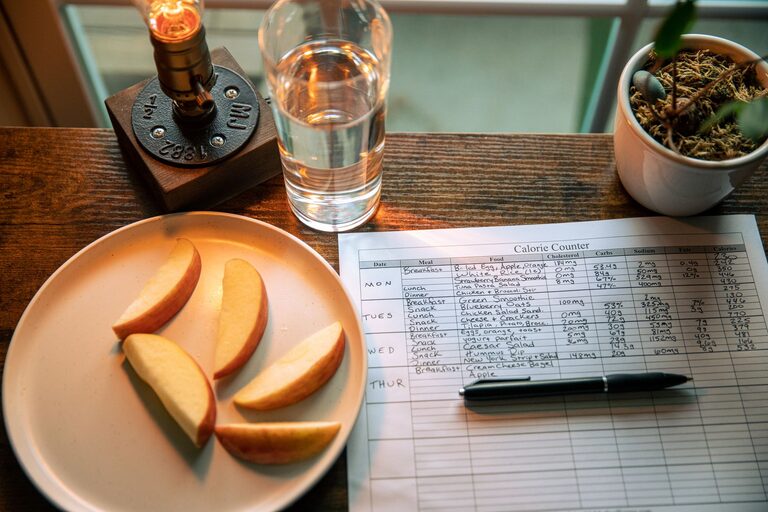
– Apples for oranges, berries, or melon
You can also change the flavor profile with seasonings. Garlic and herbs, curry spices, taco seasoning, or lemon and pepper can give the same basic ingredients a different character.
Leave room for flexibility
A balanced approach includes foods you enjoy, including snacks and treats. Planning every detail can make meals feel restrictive. Instead, focus on patterns over time.
If one meal is lighter on vegetables or includes more convenience foods, that is not a problem. You can include different foods at another meal. The purpose of planning is to make eating easier, not to create a standard you must meet perfectly.
Review your plan at the end of the week. Ask yourself:
– Which meals were easy to prepare?
– Which ingredients were left unused?
– Did the portions match your household’s needs?
– Which meals would you make again?
– What could be simplified next week?
Use the answers to improve your system gradually.
Keep the goal simple
Stress-free meal planning is less about having a perfect menu and more about making everyday choices easier. Use a basic meal formula, plan around your schedule, prepare a few flexible ingredients, and keep backup options available.
When your plan reflects your tastes, time, and budget, balanced meals become more practical. Start with one week, make small adjustments, and allow the system to evolve with your routine.