




How to Build a Basic Capsule Wardrobe
Building a capsule wardrobe is a simple way to make getting dressed easier. Instead of keeping a closet full of clothes you rarely wear, you choose a smaller collection of useful pieces that work well together.
A capsule wardrobe does not need to follow strict rules. You do not have to own a specific number of items, wear only neutral colors, or replace your entire closet at once. The goal is to create a practical wardrobe that suits your lifestyle, personal taste, and daily routine.
What Is a Capsule Wardrobe?
A capsule wardrobe is a curated collection of clothing, shoes, and accessories that can be mixed and matched to create a variety of outfits. The pieces are usually selected because they are comfortable, versatile, and suitable for the wearer’s regular activities.
A basic capsule wardrobe may include:
– Everyday tops
– Pants or skirts
– A dress or two
– A sweater or cardigan
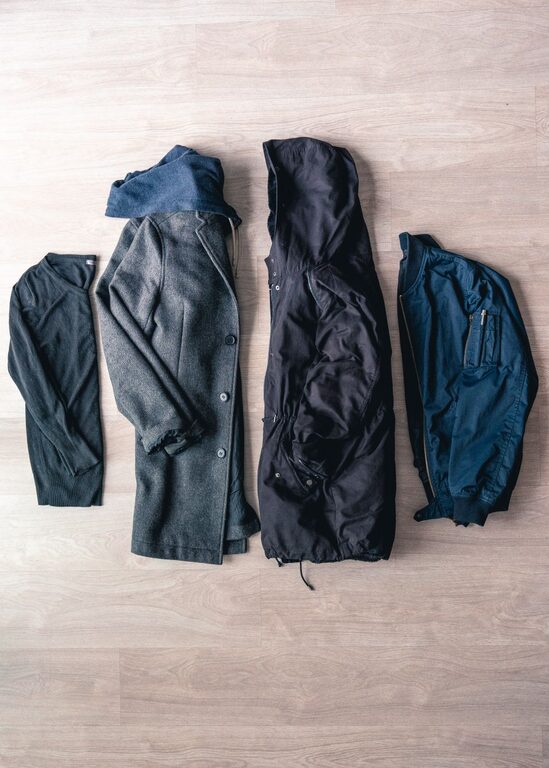
– A jacket or coat
– Comfortable shoes
– A few simple accessories
The exact contents will vary from person to person. Someone who works from home may need more casual clothing, while someone who works in an office may need polished outfits. Your wardrobe should support the way you actually live.
Step 1: Review Your Current Closet
Before buying anything, look at what you already own. Take everything out of your closet and group similar items together. This makes it easier to see what you have and what you wear most often.
Create four basic groups:
– Keep: Items you wear regularly and enjoy
– Repair: Items that need small fixes
– Donate or sell: Items that no longer fit your life
– Decide later: Items you are unsure about
Ask yourself a few practical questions about each piece:
– Does it fit comfortably?
– Have I worn it in the past year?
– Does it match my current lifestyle?
– Can I create at least two or three outfits with it?
– Is it in good enough condition to wear confidently?
Try not to focus only on how an item looks on its own. Consider whether it works with the rest of your wardrobe. A beautiful piece that never matches anything may not be useful in a capsule collection.
Step 2: Identify Your Lifestyle Needs
A capsule wardrobe works best when it reflects your real schedule. Think about the activities you do in a typical week.
For example, you may need clothes for:
– Work or school
– Relaxing at home
– Running errands
– Exercise
– Social occasions
– Outdoor activities
– Seasonal weather
Estimate how often you need each type of outfit. If you spend most of your time in casual clothing, do not build a wardrobe around formal pieces. If you attend regular events, include a few items that can be dressed up.
Also consider your local climate. A wardrobe for a warm, dry area will look different from one designed for cold or rainy weather. Layers can be especially useful because they allow you to adjust outfits as temperatures change.
Step 3: Choose a Simple Color Plan
A color plan helps your clothing work together. It does not need to be complicated. Start with two or three basic colors, then add one or two accent colors that reflect your style.
Common base colors include:
– Black
– White
– Gray
– Navy
– Brown
– Beige
– Denim
Accent colors might include green, red, blue, yellow, or any shades you enjoy wearing. You can also use patterns, textures, and accessories to add variety.
A simple approach is to choose:
– Two or three neutral colors for major pieces
– One or two additional colors for tops and accessories
– A few patterns that include at least one of your main colors
The purpose of a color plan is not to limit you. It simply makes mixing and matching easier. If you love bright colors, they can be part of your core wardrobe.
Step 4: Build Around Versatile Basics
Start with reliable pieces that can be worn in several ways. These items form the foundation of your capsule wardrobe.
Useful basics may include:
– Two or three everyday tops
– One or two more polished tops
– A pair of jeans
– A pair of casual pants
– A skirt or dress, if you wear them
– A versatile sweater
– A lightweight jacket
– Comfortable everyday shoes
– One pair of dressier shoes
Choose styles that fit your preferences. A basic white shirt is useful for some people, but it may not be practical for everyone. You could choose a soft knit top, a striped shirt, or another style that feels more natural.
Look for pieces that can be worn in different settings. For example, a plain sweater might work with jeans for a casual outfit or with tailored pants for a more polished look.
Step 5: Prioritize Fit and Comfort
The most versatile clothing is not useful if you do not enjoy wearing it. Fit and comfort should be more important than trends.
Pay attention to:
– Shoulder and sleeve placement
– Waist comfort
– Length and movement
– Fabric feel
– Care requirements
– Whether the item works with your usual undergarments and shoes
Try sitting, walking, bending, and moving around when testing clothing. A piece that looks good while standing may not be comfortable during a full day.
If an item almost fits, consider whether a simple alteration could improve it. Small changes, such as adjusting a hem or sleeve, can make a favorite piece more wearable.
Step 6: Add Layers and Accessories
Layers make a small wardrobe more flexible. A cardigan, overshirt, blazer, denim jacket, or lightweight coat can change the look of a basic outfit.
Accessories also add variety without taking up much space. Consider including:
– A belt
– A scarf
– A simple bag
– A watch
– Everyday jewelry
– Sunglasses
– A hat
Choose accessories that work with several outfits. You do not need many options. A few well-used items can provide enough variety for everyday dressing.
Step 7: Create Outfit Combinations
Once you have selected your main pieces, create several complete outfits. Lay items together or take photos of combinations you like.
Try to build outfits for different situations, such as:
– A casual day
– A workday
– A dinner or social event
– A cool-weather day
– A warm-weather day
– A travel day
Aim for combinations that use the same pieces in different ways. For example, one pair of pants might work with a T-shirt, a button-down shirt, and a sweater. A dress might be worn with sneakers for daytime or layered with a jacket for an evening look.
Taking photos can be helpful when you are in a hurry. You can keep them in a phone album for quick outfit ideas.
Step 8: Shop With a Specific Purpose
After reviewing your closet, you may notice a few gaps. Make a short shopping list based on those gaps rather than buying items simply because they are on sale.
Before purchasing something, ask:
– What outfits will this item complete?
– Does it match at least three pieces I own?
– Will I wear it during my normal week?
– Is the quality suitable for how often I plan to use it?
– Do I already own something similar?
Shop slowly when possible. A capsule wardrobe becomes more useful when each new item has a clear role.
Maintain Your Capsule Wardrobe
A capsule wardrobe needs occasional updates. At the end of each season, review what worked and what did not. Notice which pieces were worn often, which were ignored, and whether anything needs repair or replacement.
You can also use a simple one-in, one-out approach. When you add a new item, consider removing something that no longer fits your needs. This is not a strict rule, but it can help prevent your closet from becoming crowded again.
The best capsule wardrobe is one that makes your life easier. Start with the clothing you already enjoy, add only what supports your routine, and allow your collection to change over time. With a thoughtful selection of versatile pieces, you can create more outfits, reduce daily decisions, and enjoy a closet that feels organized and personal.