





How to Store Seasonal Clothes Efficiently
When the weather changes, storing seasonal clothes can make your home feel more organized and your wardrobe easier to use. However, simply placing clothes in a box or closet can lead to wrinkles, odors, damage, and wasted space.
A good storage system protects your clothing while keeping it easy to find. With a few simple steps, you can prepare seasonal garments, choose suitable containers, and create a system that works year after year.
Start With Sorting
Before packing anything away, review all the clothes from the season that has just ended. This is a useful opportunity to reduce clutter and avoid storing items you no longer wear.
Create four groups:
– Keep and store for next season
– Keep and use throughout the year
– Donate or give away
– Repair, recycle, or discard
Be honest about each item. If a piece did not fit well, was uncomfortable, or remained unworn all season, it may not need to take up storage space. Set aside clothes that need repairs so they do not get forgotten.
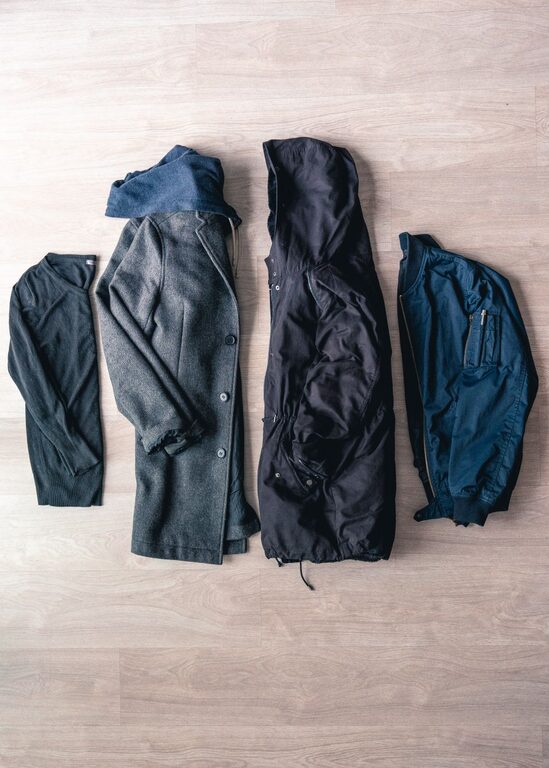
Also, keep special items separate, such as formal clothing, sports equipment, swimwear, or heavy coats. These may need different cleaning and storage methods.
Clean Everything Before Storage
Always clean clothes before storing them, even if they appear to be fresh. Small traces of body oils, food, sweat, or dirt can become stains or attract insects over time.
Follow the care label for each garment. Wash or dry-clean items as recommended, and make sure they are completely dry before packing. Even slightly damp clothing can develop a musty odor or mildew in a closed container.
Pay special attention to:
– Sweaters and jackets worn outdoors
– Clothing with food or drink stains
– Workout and swim clothing
– Scarves, hats, and gloves
– Shoes and boots
Avoid spraying perfume or adding scented products directly to stored clothing. Strong scents can fade unevenly and may become unpleasant after several months.
Choose the Right Storage Containers
The best container depends on the type of clothing, the amount of available space, and how often you need access to the items.
Plastic Bins
Plastic bins with secure lids are useful for folded clothing, accessories, and casual garments. They protect against dust and moisture and can be stacked efficiently.
Choose clear bins when possible so you can see the contents without opening every container. If you use opaque bins, add a large label to the outside.
Avoid overfilling bins. Clothes need enough room to remain in good condition, and tightly packed items are more likely to wrinkle.
Fabric Storage Bags
Breathable fabric bags work well for sweaters, delicate pieces, and clothing that needs airflow. They are also easy to place on a closet shelf or under a bed.
Use sturdy bags with strong zippers and handles. Avoid thin bags that tear easily or allow dust to enter.
Garment Bags
Garment bags are suitable for dresses, suits, coats, and other structured items that should remain hanging. Choose breathable fabric garment bags instead of keeping these clothes in thin plastic covers for long periods.
Leave some space between hanging garments so air can circulate. Crowding can cause wrinkles and make it harder to inspect clothing for problems.
Vacuum Storage Bags
Vacuum bags can save space, especially for bulky comforters, ski clothing, or thick jackets. However, they are not ideal for every fabric.
Avoid compressing items with delicate decorations, structured materials, leather, or natural fibers for long periods. Compression can affect their shape and make them difficult to fold neatly when removed.
Fold Clothes Carefully
Fold clothing along natural seams to reduce wrinkles. Place heavier items at the bottom of a container and lighter garments on top.
For sweaters and knitwear, folding is usually better than hanging because hangers can stretch the shoulders. Use tissue paper between delicate layers if needed, and avoid placing sharp accessories directly against fabric.
Do not fold clothes while they are still warm from a dryer. Allow them to cool and air out first. This helps prevent trapped heat and odors.
For items that wrinkle easily, roll them loosely instead of creating several sharp folds. Rolling can also make better use of space in drawers and bins.
Protect Delicate and Special Fabrics
Different materials require different care. Check the label before storing any item, especially if it is made from wool, silk, leather, suede, or a fabric with embellishments.
For delicate garments:
– Use clean, breathable storage materials
– Keep decorations from pressing against other clothing
– Store leather and suede away from heat and direct sunlight
– Avoid folding items in the same place repeatedly
– Keep moth-repellent products away from direct contact with fabric
Avoid using ordinary cardboard boxes for long-term clothing storage. Cardboard can absorb moisture and may transfer odors or attract pests. If you must use a box temporarily, line it with clean, acid-free paper and store it in a dry location.
Store Shoes Separately
Shoes should be cleaned and fully dried before storage. Remove dirt from soles and brush away dust from the upper material.
Stuff boots and shoes lightly with plain paper or shoe supports to help them maintain their shape. Avoid using newspaper on light-colored materials because ink can transfer.
Store shoes in their original boxes, fabric bags, or separate compartments. Do not pile them directly on top of clothing, as dirt and hard edges can cause damage.
Keep shoes in a cool, dry area away from direct sunlight. Allow damp shoes to air out completely before placing them in a closed container.
Label Everything Clearly
A simple labeling system can save time when you need one item later. Write the season, clothing type, and a few examples on each container.
For example:
– Winter scarves, gloves, and hats
– Summer shorts and lightweight shirts
– Guest blankets and spare clothing
– Rain jackets and outdoor gear
If you store many containers, create a basic inventory on paper or in a notes app. You can record the container number, location, and contents. Photos of each container can also make finding specific items faster.
Place labels on more than one side if containers are stacked or stored on shelves.
Select a Suitable Storage Location
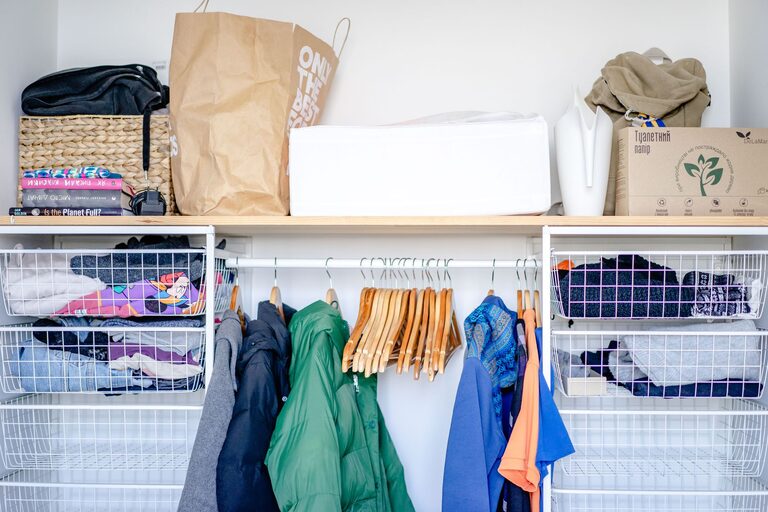
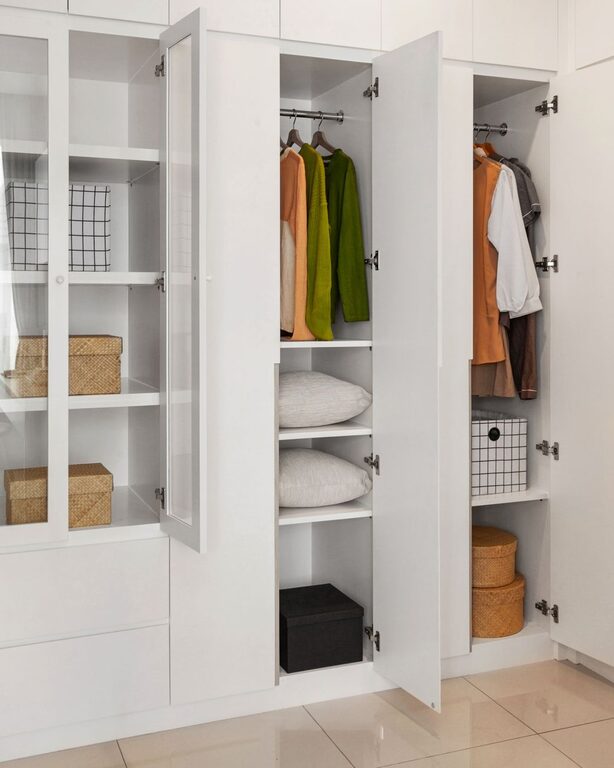
Store seasonal clothing in a clean, dry, and stable area. Good options may include a closet shelf, a wardrobe, or a storage space under the bed.
Avoid locations with large temperature or humidity changes, such as damp basements, hot attics, or areas near plumbing. Keep containers off the floor when possible by using shelves, pallets, or a raised platform.
Do not store clothing directly against exterior walls if the area is prone to condensation. Leave a little space around containers to support airflow and make inspections easier.
Refresh Your System Each Season
When the next season arrives, remove stored clothing gradually and inspect each item before wearing it. Look for stains, unusual odors, moisture, or signs of damage.
Air out garments before returning them to your wardrobe. Wash anything that smells stale, and follow the care label for items that need cleaning.
As you unpack, update your storage system. You may discover that some clothes no longer fit your lifestyle or that certain containers are too large or difficult to handle. Adjusting the system each season keeps it practical.
Build a Routine That Works
Efficient seasonal clothing storage is less about buying special products and more about following a consistent routine:
- Sort clothes at the end of each season.
- Clean and dry every item before storage.
- Choose containers that suit the fabric and garment type.
- Fold or hang clothing carefully.
- Label containers clearly.
- Store everything in a dry, stable location.
- Inspect clothes when bringing them back into use.
With this approach, seasonal clothes remain cleaner, easier to find, and better protected. A well-organized storage system also makes seasonal wardrobe changes quicker, giving you more space and less daily clutter.