


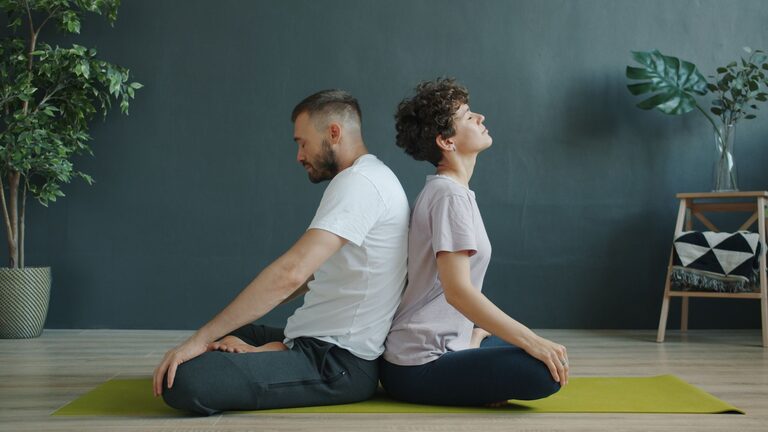






Beginner Tips for Mindful Breathing Breaks
Mindful breathing breaks are simple pauses that help you reconnect with the present moment. Instead of rushing from one task to another, you take a few minutes to notice your breathing and settle your attention.
You do not need special equipment, a quiet retreat, or a large block of free time. A mindful breathing break can happen at your desk, in your car before leaving, or while waiting for an appointment. With regular practice, these small pauses can become a useful part of your daily routine.
What Is a Mindful Breathing Break?
A mindful breathing break is a short period when you focus your attention on your natural breathing. You notice the movement of each inhale and exhale without trying to make every breath perfect.
Your mind may wander, and that is normal. The goal is not to empty your mind or stop thinking. Instead, you gently notice when your attention has drifted and bring it back to the breath.
A break can last anywhere from 30 seconds to 10 minutes. Beginners often find it easier to start with just one or two minutes.
Why Start With Breathing?
Breathing is always with you, making it a convenient focus point. You can pay attention to the rise and fall of your chest, the movement of your belly, or the feeling of air passing through your nose.
Focusing on breathing can also create a clear pause between activities. For example, you might take a few mindful breaths before opening your email, starting a meeting, or moving on to your evening routine.
The practice is simple, but simple does not mean effortless. Like any habit, it becomes more familiar with repetition.
Choose a Practical Time and Place
The best time for a breathing break is one you can repeat. Consider linking it to an activity you already do each day.
Possible moments include:
– After brushing your teeth
– Before starting work or school
– Between meetings
– While waiting for a webpage to load
– Before eating a meal
– After returning home
– Before getting ready for bed
You do not need complete silence. However, choosing a reasonably comfortable location may make it easier to stay focused. If your surroundings are busy, try lowering distractions by setting your phone aside or using a gentle timer.
Start With a One-Minute Practice
A short practice is often easier to maintain than an ambitious one. Try this beginner exercise:
- Sit or stand in a comfortable position.
- Let your shoulders rest naturally.
- Notice where you feel your breathing most clearly.
- Follow one slow, comfortable inhale.
- Notice the exhale as it leaves your body.
- Continue for five to ten breaths.
- When you finish, look around and return to your activity.
There is no need to force deep breaths. Allow your breathing to remain natural and comfortable. The main purpose is to notice, not to perform.
Use a Simple Attention Anchor
An attention anchor is something you return to when your mind wanders. For a breathing break, the anchor is usually one part of the breathing process.
You might notice:
– Air moving through your nostrils
– Your chest gently rising and falling
– Your abdomen expanding and relaxing
– The changing length of each breath
– The brief pause between breaths
Choose one point that feels easy to observe. You do not need to monitor every detail. A single sensation can be enough.
When you notice that you are thinking about work, plans, or something that happened earlier, quietly label it as “thinking.” Then return to the next breath.
Keep Your Breathing Comfortable
Mindful breathing does not require exaggerated inhaling or extended breath-holding. For many beginners, trying to control the breath too much can create tension or frustration.
Instead, follow these guidelines:
– Breathe at a natural pace.
– Relax your jaw and shoulders.
– Avoid straining to take a larger breath.
– Stop or adjust if you feel uncomfortable.
– Keep your attention gentle rather than forceful.
You can try making the exhale slightly longer than the inhale if that feels easy. For example, breathe in comfortably and breathe out a little more slowly. This is optional, not a requirement.
Try a Count for Extra Focus
Counting can help when your attention feels scattered. Begin counting each exhale from one to five, then start over.
For example:
– Inhale naturally.
– Exhale and count one.
– Inhale again.
– Exhale and count two.
– Continue until five, then return to one.
If you lose track, simply begin again without judging yourself. Starting over is part of the practice. The count is not a test; it is only a tool to support attention.
Add Mindful Breathing to Transitions
Transitions are natural opportunities for a breathing pause. These are the moments when one activity ends and another begins.
Before moving to the next task, try taking three deliberate breaths. You might ask yourself:
– What am I doing right now?
– How does my body feel?
– What deserves my attention next?
This routine can help you create more space between activities. It may also make it easier to approach the next task with a clear intention instead of immediately reacting to whatever appears.
Handle Common Challenges
“My Mind Keeps Wandering”
A wandering mind is one of the most common parts of the practice. Notice it, then return to the breath. Each return is a repetition that strengthens your ability to refocus.
“I Do Not Have Enough Time”
Start with three breaths. A useful break does not need to be long. You can practice while waiting for a file to open or before answering a phone call.
“I Feel Restless”
Restlessness may make sitting still difficult. Try a standing practice or combine breathing with a slow walk. Notice one breath for each few steps.
“I Forget to Practice”
Use reminders that fit your routine. Place a note near your computer, set a gentle daily alert, or connect the practice with an existing habit such as making coffee.
Build a Sustainable Habit
Consistency matters more than duration. Practicing for one minute most days may be more useful than practicing for 20 minutes once in a while.
To make the habit easier:
– Begin with a small goal.
– Practice at the same time each day.
– Use a timer if watching the clock is distracting.
– Track your practice with a simple checkmark.
– Increase the length gradually if it feels comfortable.
– Treat missed days as normal, not as failure.
You can also vary the practice. Some days may call for a quiet seated pause, while other days may work better with a few mindful breaths during a walk.
End With a Gentle Return
When your breathing break is over, avoid rushing immediately into the next task. Take a moment to notice your surroundings. Feel your feet on the floor, observe the light in the room, or listen for nearby sounds.
Then choose one small intention for what comes next. It could be “work steadily,” “listen carefully,” or “take one task at a time.”
Mindful breathing breaks are modest practices, but they can bring more awareness to ordinary moments. Start with a few comfortable breaths, practice without judgment, and allow the habit to grow at its own pace.