





Tips for a Tidy Closet That Stays Organized
A tidy closet can make mornings easier, protect your clothing, and help you make better use of the space you have. The key is not organizing everything once and hoping it stays that way. A closet remains orderly when it is simple to use and supported by a few realistic habits.
Whether you have a large walk-in closet or a small reach-in space, these practical tips can help you create a system that lasts.
Start With a Complete Reset
It is difficult to organize a closet while working around items you no longer wear. Begin by taking everything out, including clothes, shoes, bags, and accessories. Place items on the bed, floor, or another clean surface so you can see the full collection.
As you empty the closet, wipe down shelves, rods, corners, and the floor. This is also a good time to check for loose hangers, damaged storage containers, or areas that need better lighting.
Avoid trying to sort items while they are still packed into the closet. A clear space makes it easier to make thoughtful decisions.
Sort Items Into Useful Categories
Create simple groups that help you decide what belongs in the closet. You might use these categories:
– Keep and wear regularly
– Keep but store elsewhere
– Donate or give away
– Repair or alter
– Recycle or discard
– Decide later
The “decide later” group can be helpful, but keep it limited. Place those items in a box with a date on it. If you do not use them during the next few months, they may not need to return to the closet.
When deciding what to keep, consider whether the item fits, feels comfortable, suits your current lifestyle, and has been worn recently. You do not need to create a perfectly minimal wardrobe. The goal is to keep items that are useful and enjoyable.
Group Similar Items Together
Once you have chosen what to keep, organize clothing by type. For example, place shirts together, followed by sweaters, pants, skirts, dresses, and jackets. Keeping similar items in one area makes it easier to find what you need and notice duplicates.
You can also arrange clothing by color within each category. A color-based system is not required, but it can make the closet look calmer and help you locate specific pieces quickly.
For everyday use, choose the system you will actually maintain. A simple category arrangement is often more helpful than a detailed system with too many sections.
Choose the Right Storage Method
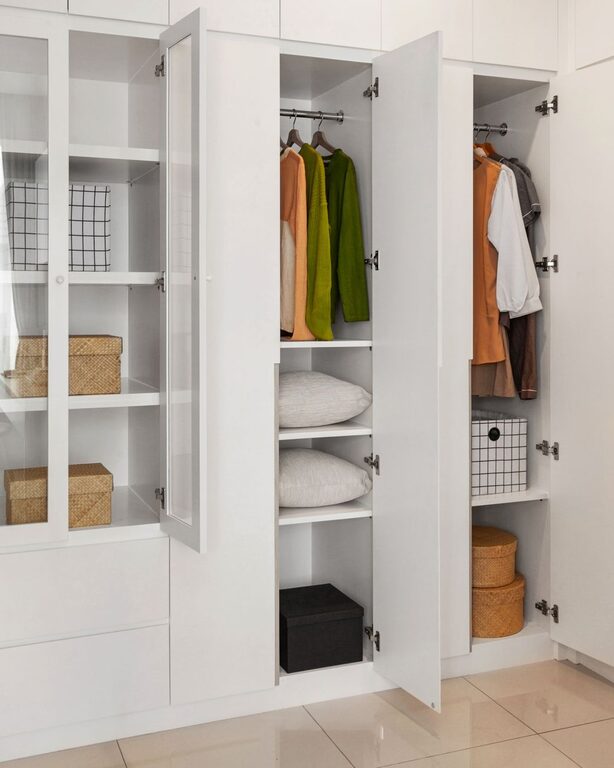
Different clothing items need different types of storage. Hanging everything may seem convenient, but it can make a closet crowded and may stretch delicate materials. Use a combination of hanging, folding, and storage bins.
Use Hangers Wisely
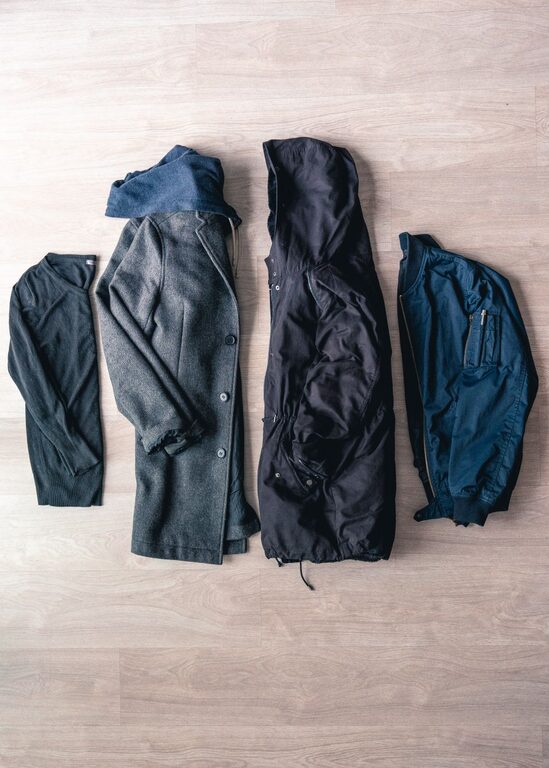
Use matching slim hangers if possible. They take up less room and create a more consistent appearance. Reserve sturdy hangers for heavier items such as coats and jackets.
Avoid placing too many garments on one hanger. Overcrowding makes clothes difficult to remove and can cause wrinkles. Leave a little space between groups so you can browse comfortably.
Hang items that wrinkle easily, need to be easy to see, or are difficult to fold. Fold soft sweaters, casual shirts, and other pieces that can keep their shape on a shelf or in a drawer.
Fold Items Neatly
Fold clothing in a consistent way and stack similar items together. For drawers, store folded clothing upright when possible. This lets you see each item instead of digging through a tall pile.
Use drawer dividers or small bins for socks, underwear, scarves, belts, and other accessories. Dividers prevent small items from spreading across the drawer and make putting things away faster.
Avoid filling shelves to the edge. Leave enough room to remove one item without disturbing the rest of the stack.
Store Seasonal Items Separately
If your closet is small, rotate seasonal clothing. Keep current-season items in the easiest-to-reach areas and move off-season pieces to labeled bins, under-bed storage, or a high shelf.
Before storing clothing, make sure it is clean and completely dry. Use breathable containers when possible, especially for natural fabrics. Label each container clearly so you do not have to open several boxes to find one item.
Make Use of Vertical Space
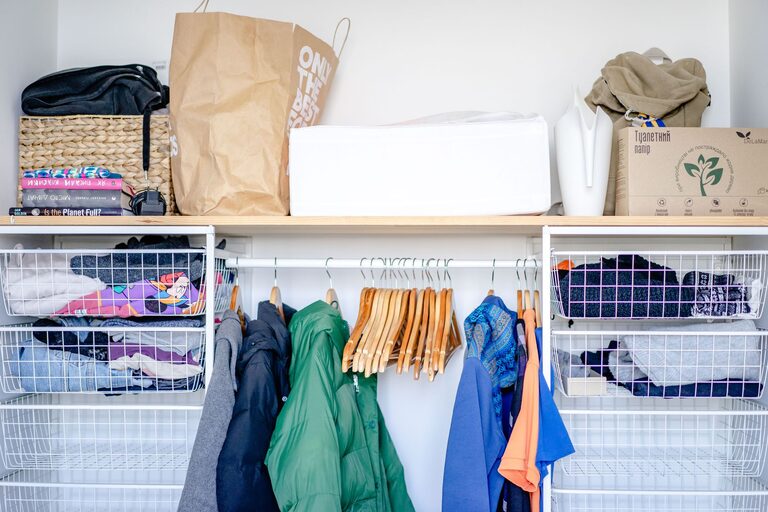
Many closets have unused space above the clothing rod or below hanging garments. Add a shelf, stackable bins, or a hanging organizer to make better use of these areas.
A second hanging rod can double the space for shorter clothing, such as shirts and skirts. Hooks on the side wall or back of the door can hold belts, bags, robes, or frequently used accessories.
Keep everyday items between shoulder and waist height. Store less-used items higher up, and use a stable step stool when needed. Do not overload shelves or hooks, since too much weight can damage the closet system.
Keep Shoes and Accessories Contained
Shoes often make a closet feel messy because they do not stack neatly. Use a shoe rack, clear boxes, or labeled shelves. Place frequently worn pairs near the front and special-occasion footwear in less accessible areas.
Store handbags upright with light stuffing to help them keep their shape. Use hooks or shelf dividers for smaller bags. A basket can hold items such as hats, gloves, or casual scarves, but avoid allowing it to become a general catchall.
Give every accessory a specific home. If you know exactly where an item belongs, putting it away takes only a few seconds.
Create a Simple Maintenance Routine
The best organization system is one that is easy to maintain. Build small habits into your daily and weekly routine:
– Return clothing to its proper place after wearing it
– Use a laundry basket instead of leaving clothes on the floor
– Hang or fold clean laundry promptly
– Keep a donation bag nearby
– Remove damaged items as soon as you notice them
– Straighten one shelf or drawer each week
– Review seasonal clothing before storing it
At the end of the day, take two minutes to return misplaced items. A quick reset prevents small messes from becoming a large project.
Use the One In, One Out Rule
When you bring home a new clothing item, consider removing one similar item. For example, a new sweater may replace one that is worn out or no longer fits your style.
This rule is not about limiting every purchase. It simply helps prevent the closet from slowly becoming overcrowded. If you do not want to remove an item immediately, set a review date and see whether your closet still has enough space.
Leave Room for Real Life
A closet does not need to look like a showroom. Leave some open space for laundry, recently worn clothing, or items that need repair. If every shelf and rod is packed, the system will be difficult to use.
The most successful closet is one that matches your routines. Keep work clothes easy to reach if you dress for work most days. Place exercise clothing together if you use it often. Store special-occasion items separately if they are worn only a few times a year.
Organize for convenience rather than appearance alone. When your closet reflects how you live, staying tidy becomes much easier.
Make Organization Easier To Keep
A tidy closet is created through clear decisions, practical storage, and regular small resets. Start by removing what you do not use, group similar items, choose storage that fits your space, and give every remaining item a home.
You do not have to complete a major reorganization every month. A few minutes of maintenance each week can keep the closet functional, comfortable, and easier to manage throughout the year.