

How to Build a Simple Workout Corner at Home
Creating a workout corner at home does not require a large room, expensive machines, or a complete gym setup. With a small amount of planning, you can turn part of a bedroom, living room, garage, or home office into a comfortable place to move and exercise.
A dedicated workout area can also make it easier to stay consistent. When your equipment is easy to access and your space feels inviting, starting a workout takes less time and effort. Here is how to build a simple workout corner that fits your home, budget, and routine.
Choose the Right Location
Start by looking for a space that is easy to reach and large enough for the movements you plan to do. You may need less room than expected, especially if your workouts focus on bodyweight exercises, stretching, or light strength training.
Good options include:
– An unused corner of a bedroom
– Part of a living room
– A section of a home office
– A clear area in a basement or garage
– A covered outdoor space, if weather allows
Choose a location with enough room to stand, sit, stretch, and move your arms without hitting nearby furniture. If you plan to do exercises such as lunges, jumping jacks, or floor exercises, measure the area before buying equipment.
Think About the Floor
A hard floor can be uncomfortable during stretching, planks, or other floor-based exercises. A rug may provide some comfort, but an exercise mat is usually a better choice because it offers cushioning and grip.
Make sure the floor is stable and free from loose items. Avoid placing a mat on a slippery rug unless it has a nonslip backing. A secure surface helps you move with greater confidence.
Measure Before You Buy
One of the easiest ways to overspend is to purchase equipment before deciding how much space is available. Use a tape measure to record the width and length of your workout corner. Also check the ceiling height if you plan to use a jump rope, resistance bands, or overhead movements.
Leave enough open space around your body. You should be able to extend your arms and legs without touching walls, shelves, lamps, or other furniture.
A simple open area is often more useful than a crowded collection of equipment. Focus on creating a clear, flexible space rather than filling every corner.
Start With Basic Equipment
You do not need many items to create an effective workout corner. Begin with versatile equipment that supports several types of exercise.
Exercise Mat
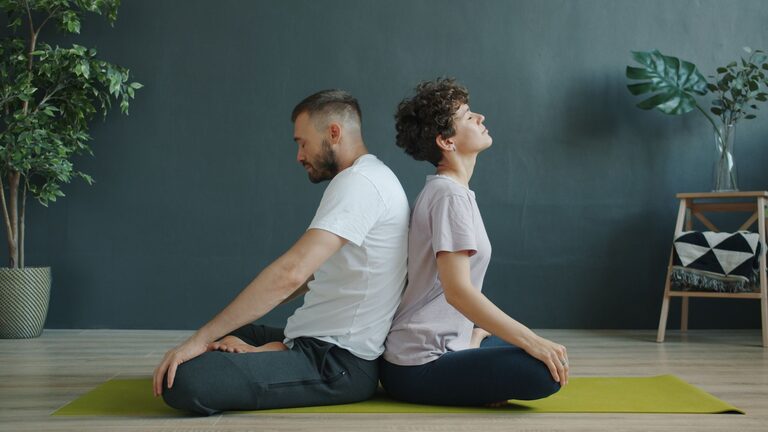
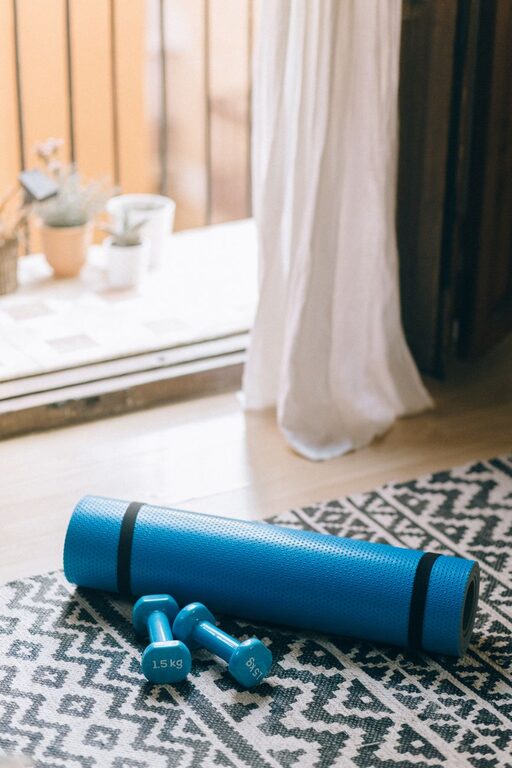
An exercise mat is a useful foundation for stretching, mobility work, bodyweight exercises, and floor-based strength movements. Look for a mat that is long enough for your height and thick enough to feel comfortable on your floor.
A textured or nonslip surface can help keep the mat in place. After each use, allow the mat to air out and clean it according to the manufacturer’s instructions.
Resistance Bands
Resistance bands take up very little space and can be used for many exercises. They are helpful for leg, arm, shoulder, and back movements. Consider a set with several resistance levels so you can adjust the challenge.
Store bands away from direct sunlight and inspect them regularly for cracks, tears, or other signs of wear.
Light Dumbbells
A pair of light dumbbells can add resistance to movements such as squats, rows, presses, and curls. If you are new to strength training, choose weights that allow you to perform exercises with steady control.
You can add heavier weights later if they fit your goals and available space. Adjustable dumbbells may be useful when storage is limited, although they can cost more than individual pairs.
Small Accessories
A few optional items can make your workout corner more comfortable and useful:
– A sturdy water bottle
– A small towel
– A timer or phone stand
– A foam roller
– A jump rope, if you have enough overhead space
– A small step platform
– A notebook for tracking workouts
Choose accessories based on the activities you actually enjoy. Equipment that remains unused only adds clutter.
Add Simple Storage
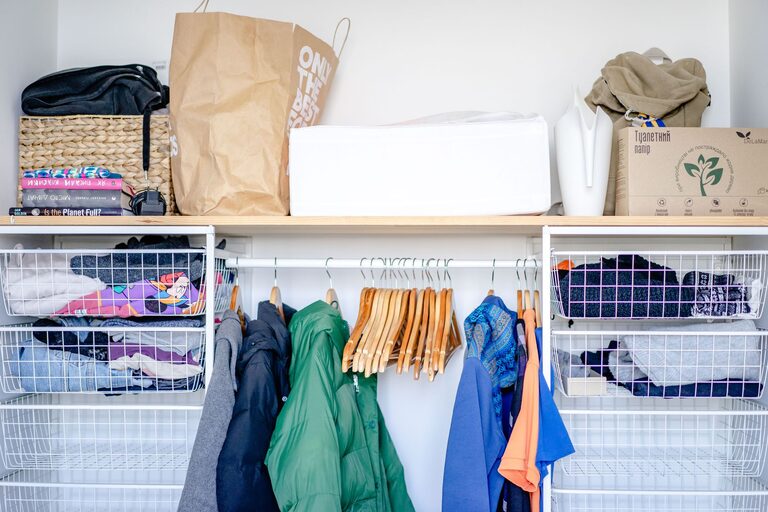
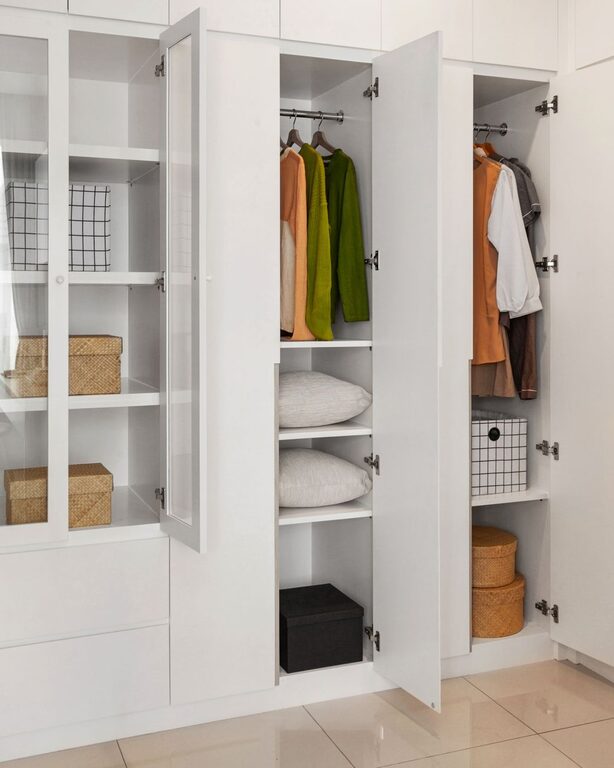
Good storage keeps the area safe and makes setup faster. You do not need special gym furniture. A small basket, shelf, storage cube, or wall hook may be enough.
Use storage for items such as:
– Resistance bands
– Jump ropes
– Towels
– Small weights
– Yoga blocks
– Cleaning supplies
Keep heavier items on a low shelf or on the floor so they are less likely to fall. Store bands and ropes neatly to prevent tangles. If you use wall hooks, make sure they are properly installed and can support the weight of the equipment.
Try to keep the floor mostly clear. A tidy workout corner is easier to use and reduces the chance of tripping.
Improve Lighting and Airflow
A bright, comfortable room can make exercise feel more inviting. If possible, place your workout corner near a window for natural light. Open a window when the weather is suitable, or use a fan to improve airflow.
If natural light is limited, choose a lamp that provides even illumination without creating glare. Avoid placing bright lights directly at eye level.
Comfort matters, especially when you exercise for more than a few minutes. Keep the room at a pleasant temperature and remove items that may distract you.
Create a Motivating but Calm Atmosphere
Your workout corner should encourage movement without becoming visually overwhelming. You might add a small plant, a simple wall print, or a mirror. A mirror can help you check your form during certain movements, but it is not essential.
Keep decorations limited so the space remains practical. You could also create a short playlist or keep a written list of favorite exercises nearby. These small details can reduce the time spent deciding what to do.
Avoid placing fragile objects close to the workout area. Leave enough distance between your equipment and anything that could break if bumped.
Plan a Simple Workout Routine
A workout corner is most useful when it supports a clear routine. Before buying more equipment, decide what types of exercise you want to do.
For example, a simple routine might include:
- Five minutes of gentle movement to warm up
- Squats, wall pushups, or lunges
- Resistance band rows
- Light dumbbell exercises
- Stretching and relaxed breathing
Keep your first routines short and manageable. A consistent 15- or 20-minute session may be easier to maintain than an ambitious plan that feels difficult to start.
You can write a few routine options on a card and keep them near your equipment. This removes guesswork and helps you begin quickly.
Keep Safety in Mind
Check your equipment and surroundings before each workout. Make sure the mat is flat, bands are in good condition, and weights are stored securely when not in use.
Use controlled movements and stop if an exercise causes sharp or unusual discomfort. Keep children and pets away from equipment that could be swallowed, pulled down, or used incorrectly. If you share your home, return everything to its storage place after exercising.
For equipment that requires installation, such as wall-mounted bars or hooks, follow the manufacturer’s instructions carefully. When in doubt, choose freestanding options that do not need permanent installation.
Refresh the Space Over Time
Your workout corner does not need to be perfect on the first day. Use it for a few weeks and notice what works well and what does not. You may discover that you need better storage, more floor space, or a different type of equipment.
Add items gradually and remove anything you never use. The best home workout corner is not the one with the most gear. It is the one that makes regular movement simple, comfortable, and easy to begin.
With a clear area, a supportive mat, a few versatile tools, and a straightforward routine, you can build a practical fitness space almost anywhere in your home.